







Description
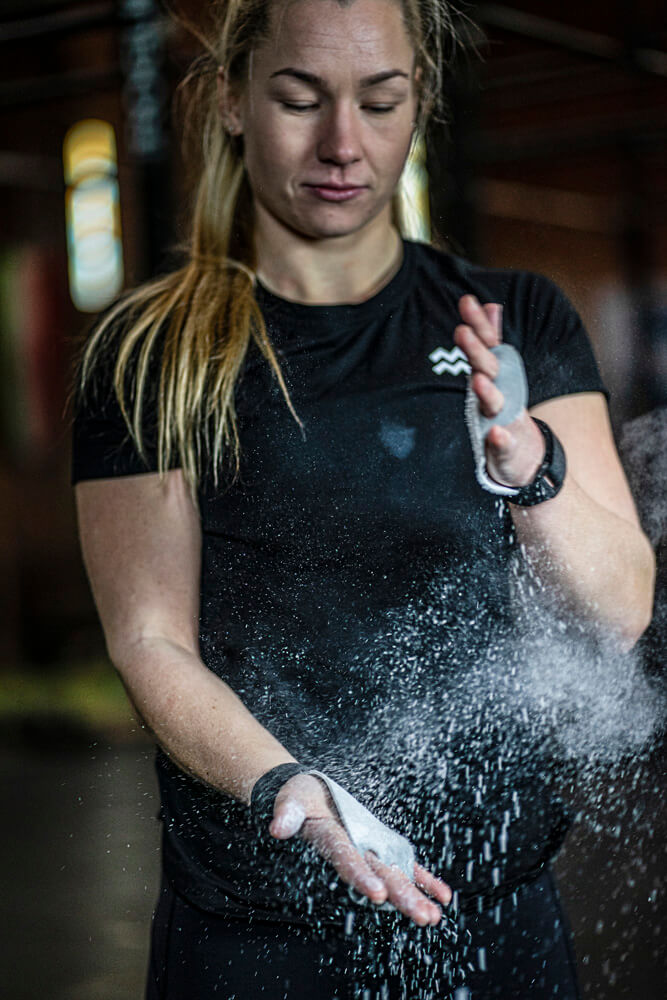
Many cross trainers are probably already familiar with it. Magnesium (also known as gym chalk or magnesium carbonate) provides you with more grip when you have sweaty hands. It also helps prevent annoying injuries and blisters on your hands. Because magnesium absorbs moisture, it provides a lot of grip to your normally sweaty hands. Another alternative is using gym gloves. However, magnesium still remains the preference among experienced lifters and professionals. Besides its use in cross training, magnesium chalk is also used in sports such as strongman, powerlifting, gymnastics, climbing, and even pole dancing. Magnesium powder was first introduced in climbing sports in the 1950s by a climber named John Gill, who is considered a pioneer in the climbing world. In the fitness world, magnesium chalk is mainly used in exercises with barbells and wooden gym rings.
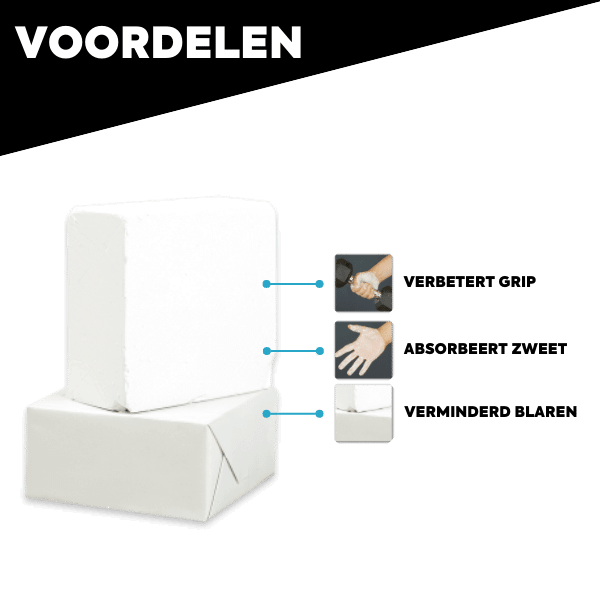
Magnesium block information:
- Improves grip
- Packaging contains 1 block
- 69 grams
- Dimensions: 9 x 9 x 4.5 cm
- Absorbs sweat
- Reduces blisters
- Keeps your hands dry
- Can enhance performance
- Available in white color
How to use gym chalk?
You use a magnesium block by rubbing it over your hands. Gyms often have a container where magnesium blocks are stored. If your gym doesn’t have one, you can always bring your block in a resealable container or freezer bag. It is important to keep your magnesium block intact for as long as possible so that you can easily apply a good amount at once. When using magnesium with a barbell, it is recommended to apply the magnesium only to your hands, not on the handle of the barbell, to prolong the lifespan of the barbell. If the use of a magnesium block is completely prohibited in your gym, consider using our liquid chalk.
| Quantity | 1 block |
|---|---|
| Weight | 69 grams |
| Dimensions | 9 x 9 x 4.5 cm |
| Color | white |
Reviews Door Feedback Company
There are no reviews yet.